The Quiet Currency: Why Luxury Branding in 2028 Will Be Defined by Emotional Restraint
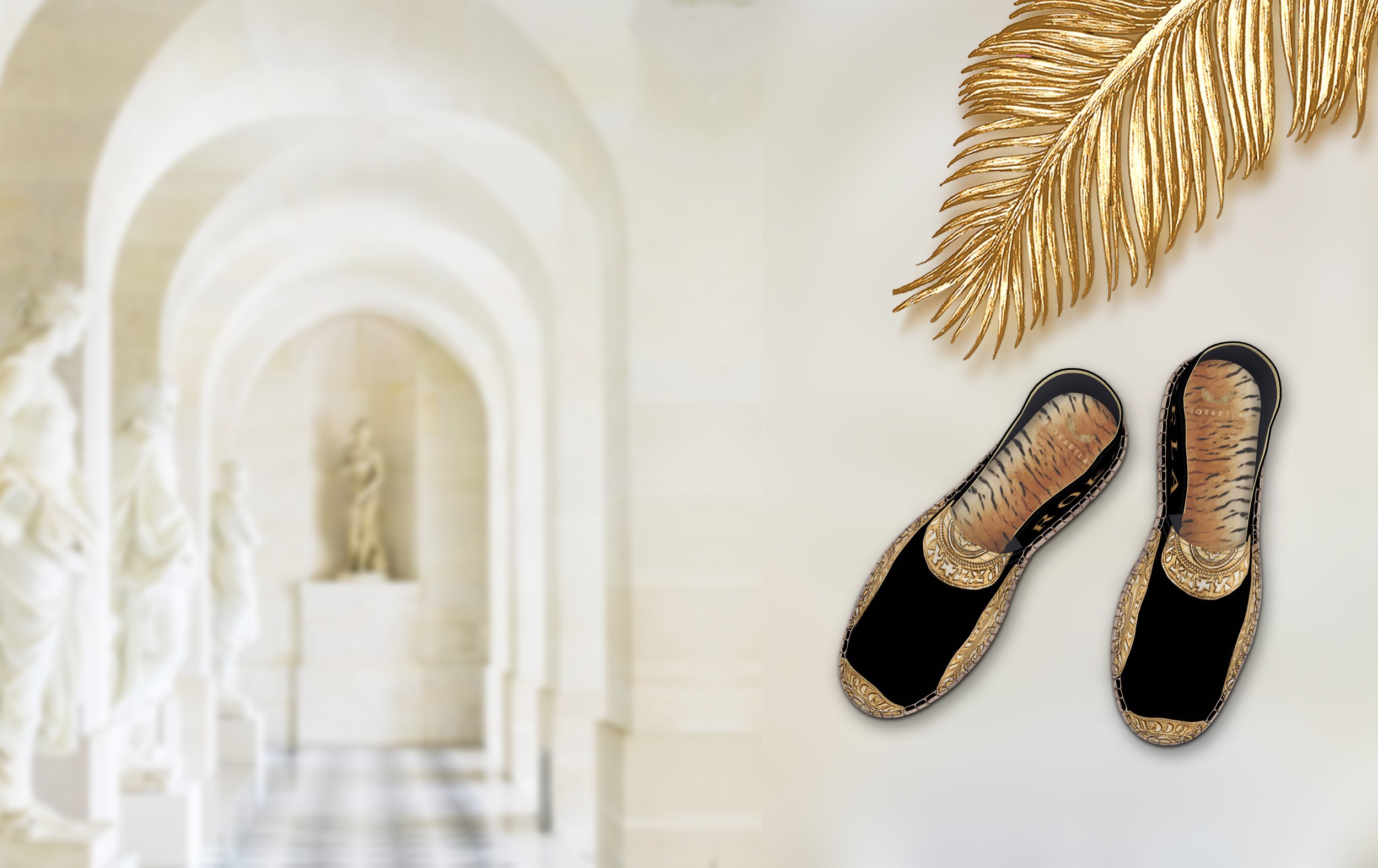
image - Rokabela
Introduction
For decades, brand strategy operated on the assumption that visibility required volume. High-impact marketing relied on assertive visual presence, hyper-frequent communication, and constant noise to capture fragmented consumer attention.
However, trend forecasting from WGSN’s Future Consumer 2028 signals a fundamental pivot in market dynamics. In an era defined by cognitive overload, digital exhaustion, and record-high stress levels, consumer motivation is shifting from status acquisition to emotional restoration. The central thesis for the coming decade is clear: Quiet is the new currency.
For luxury and high-growth brands, this cultural shift changes how visual identity, spatial design, and brand narrative must be architected.
1. The Rise of "The Restorers" and Emotional Economics
WGSN identifies key consumer archetypes—such as The Restorers—who are actively decoupling from hyper-stimulated environments. Rather than making purchasing decisions based purely on traditional demographic indicators, these consumers buy based on emotional resonance, seeking brands that restore mental clarity, stillness, and balance.
When a market is saturated with loud, demanding interfaces, silence becomes the ultimate luxury indicator.
The Visual Shift: Loud color palettes, aggressive promotional banners, and intrusive pop-ups are increasingly perceived as indicators of lower-tier, transactional brands.
The Strategic Shift: Premium positioning requires shifting from persuasive urgency to soothing authority. A brand’s visual system must act as an oasis of calm, using deliberate negative space, restrained typography, and tactile material choices to signal stability.
2. De-Cluttering as a Premium Marker
In high-end brand architecture, "Quiet" does not mean passive or boring; it means radically intentional.
Consider how top-tier fashion houses, luxury automotive brands, and private wealth firms present themselves online and offline:
Generous Negative Space: White space (or deep, warm neutral space) is no longer just a design choice—it is a psychological buffer. It gives the user room to think, signaling that the brand does not need to beg for attention.
Micro-Interactions over Sensory Overload: Instead of flashy animations or auto-playing videos, premium digital design leverages subtle, fluid micro-interactions that respond to user intent without demanding it.
Curated Narrative over Constant Content: Instead of churning out low-value daily content, leading brands publish fewer, highly elevated strategic pieces that demonstrate deep authority and timeless value.
3. How Brand Palais Architectures Quiet Authority
To capitalize on this macroeconomic shift, luxury brands must audit their customer touchpoints for sensory friction. Building a brand that commands "Quiet Currency" requires three structural design pillars:
Spatial & Digital Equilibrium: Structuring websites, packaging, and collaterals so that essential information is immediately clear without cognitive clutter.
Tactile & Visual Restraint: Utilizing timeless typographic hierarchies, organic color palettes, and elevated editorial photography that evoke permanence rather than fleeting trends.
Intentional Friction: Luxury inherently involves patience. By intentionally slowing down the digital experience—offering curated discovery paths rather than endless-scroll catalogs—brands cultivate desire and exclusivity.
Strategic Takeaway
As we approach 2028, the brands that win will not be those that shout the loudest, but those that offer the most profound sense of clarity. Positioning your business as a sanctuary of quiet authority is no longer just an aesthetic preference—it is the core driver of modern brand equity.